

June 26, 2026
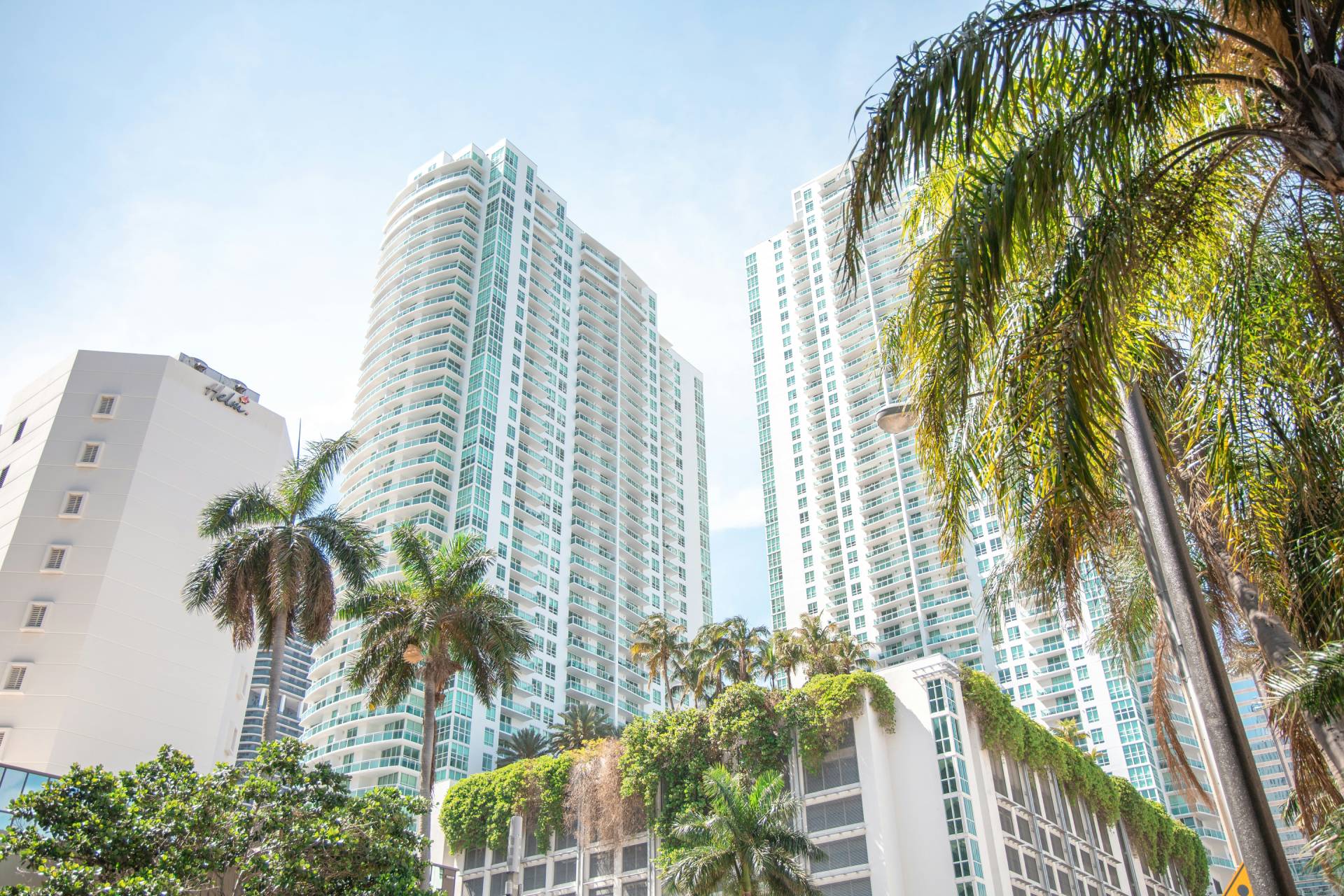
Trees are one of the most overlooked assets on a commercial property. They shade parking lots, line entranceways, frame building facades, and contribute significantly to a property's curb appeal and overall value. Yet for most commercial property managers, trees don't make it onto the maintenance radar until something goes wrong — a branch falls, a permit gets flagged, or a tenant complains.
By then, the problem is already expensive.
The good news is that most tree-related issues on commercial properties are entirely preventable. And the single most effective tool for preventing them is something most property managers have never scheduled once — a certified tree survey.
A certified tree survey is a comprehensive, on-site assessment conducted by a licensed professional arborist. It documents every tree on a property — species, size, age, structural condition, root zone health, and protected status under local municipal codes. The result is a detailed report that gives property managers, owners, and stakeholders a complete and accurate picture of their tree inventory.
Think of it the way you think of a building inspection or a roof assessment. You wouldn't manage a commercial property without knowing the condition of the structure. Trees deserve the same attention — especially in South Florida, where the climate, storm season, and local regulations make them a uniquely complex asset to manage.
Most commercial property managers don't think about their trees until there's a visible problem. But by the time a tree looks troubled, the issue has usually been developing for years. Structural decay, root damage, disease, and pest infestation don't always show up on the surface until they're advanced — and advanced tree problems are expensive, dangerous, and in some cases, legally complicated.
Here's what an unassessed tree inventory can cost you:
Liability exposure. A structurally compromised tree that fails and damages property or injures someone is a significant liability risk. In many cases, property managers are held responsible if it can be shown that the tree's condition was not being monitored. A certified tree survey creates a documented record of due diligence that protects you legally.
Permit complications. South Florida municipalities take tree preservation seriously. Many species are protected under local ordinances, and removing or damaging a protected tree without proper permits carries steep fines and mitigation requirements. Without a current survey, you may not even know which trees on your property are protected — until it's too late.
Unexpected costs. Emergency tree removal, storm damage cleanup, and retroactive permitting are all significantly more expensive than proactive management. A certified survey gives you the information you need to budget appropriately and address issues before they escalate.
Decreased property value. Neglected trees don't just look bad — they actively detract from a property's value and appeal. For commercial properties competing for quality tenants and buyers, the condition of the landscape matters more than most owners realize.
For most commercial properties, a certified tree survey every two to three years is a reasonable baseline. However, certain circumstances call for more frequent assessments:
In South Florida specifically, the combination of tropical weather, sandy soils, aggressive root systems, and a complex regulatory environment makes regular surveys not just a best practice — but a genuine business necessity.
Not all tree assessments are created equal. A certified tree survey needs to be conducted by a licensed, ISA-certified professional arborist — not a general landscaper or tree trimming crew. The credentials matter because the documentation needs to hold up for permitting, insurance, and legal purposes.
When you work with a certified arborist team, you're not just getting a walkthrough of your property. You're getting a professionally prepared report that can be used across multiple functions — presented to your HOA board, submitted with a permit application, shared with your insurance carrier, or used in a legal proceeding if necessary.
The right arborist team also brings regional expertise that generic assessments simply can't replicate. In South Florida, that means knowledge of native species, familiarity with county and municipal codes across Miami-Dade, Broward, and Palm Beach, and an understanding of how the local climate affects tree health year over year.
Commercial property management is about protecting assets and minimizing risk. Trees are assets. Unmanaged trees are risk. A certified tree survey is the most straightforward way to turn an unknown liability into a managed, documented part of your property portfolio.
If your property hasn't had a certified tree survey in the last few years — or ever — now is the time to schedule one.
